



Essential Medicines List (EML)
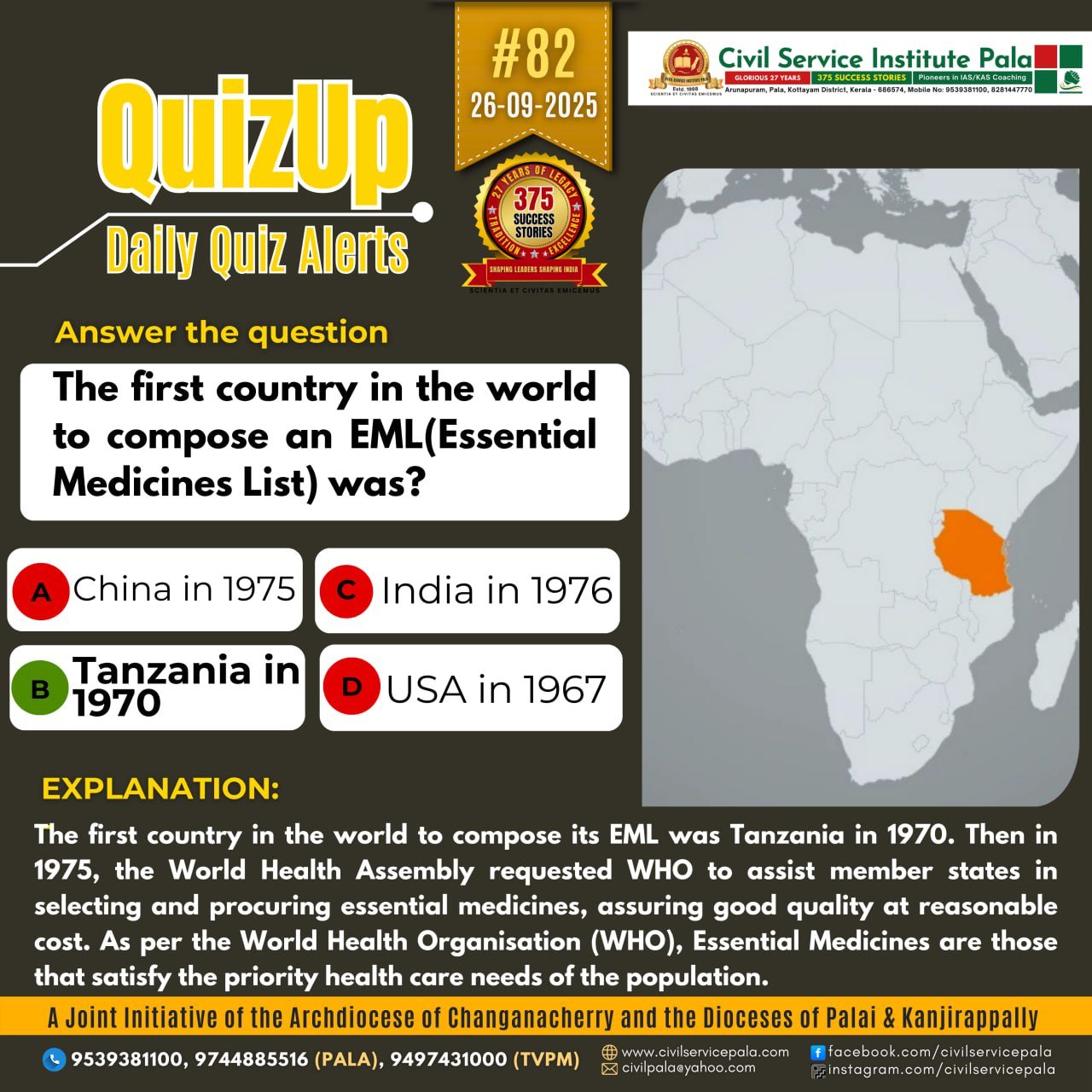
Tanzania holds a special place in global health history because it was the first country in the world to develop and adopt a national Essential Medicines List (EML) in 1970.
Background In the late 1960s and early 1970s, many low- and middle-income countries were struggling with limited healthcare budgets, inadequate supply chains, and the high cost of imported medicines.
Tanzania, under the leadership of Dr. Halfan Ngoma (then Chief Pharmacist) and guided by the country’s health policies during President Julius Nyerere’s era, pioneered the idea of creating a limited list of the most essential drugs that should always be available, affordable, and accessible at all levels of the healthcare system.
The Tanzanian Essential Medicines List (1970) This was the first official national EML in the world. It prioritized a small number of safe, effective, and cost-effective medicines to treat the most common diseases. The idea was not just cost-saving, but also aimed at rational prescribing and ensuring drugs were used appropriately by health workers.
Global Influence Tanzania’s move inspired the World Health Organization (WHO). In 1977, WHO published the first Model List of Essential Medicines, directly influenced by Tanzania’s pioneering step.
Today, the WHO EML is updated every two years and forms the basis for national medicine policies in over 150 countries. Importance Tanzania showed that focusing on a core list of medicines could improve equity in healthcare delivery. It remains a landmark contribution to global public health policy, shaping how essential healthcare resources are prioritized worldwide.
